Easy Steps To Keto Fitness Diet
Introduction
Dieting can be a complicated concept. Whether you’re trying to lose weight, gain muscle, or maintain your current body size, there are many factors that can affect one’s ability to reach their desired outcome. For example, if someone isn’t getting enough protein in their diet, they may end up losing muscle mass instead of fat as we’d like them to do. So it’s important that you understand what’s happening on the inside when it comes to your body and how these things relate back to your health goals!
The ketogenic diet promotes weight loss through a diet low in carbohydrates (less than 20 grams a day), high in protein, and moderately high in fat
The ketogenic diet is rich in fats, which are important for brain health and development, but it’s also rich in protein. This can help you feel fuller longer with fewer calories so that you can eat fewer total calories per day. As your body transitions from burning glucose to burning fat as its primary fuel source during this process called “ketosis” or “keto-adaptation” we call it “fat adaptation” because your body will turn into an efficient fat burner!


Ketosis is the state when your body burns fat for energy, and it can be reached through a low-carb diet.
When you’re on a low-carb diet, your body burns fat for energy instead of glucose. This process is called ketosis and it can be reached by eating fewer carbs than what you normally eat (1). Ketosis occurs naturally whon fasting or during low-carb diets. It’s important to note that if you want to lose weight quickly, then this type of diet isn’t for you – but if your goal is overall health and wellbeing as well as getting rid of excess fat stored in your body, then it may be worth considering switching up how much food and drink you consume each day.
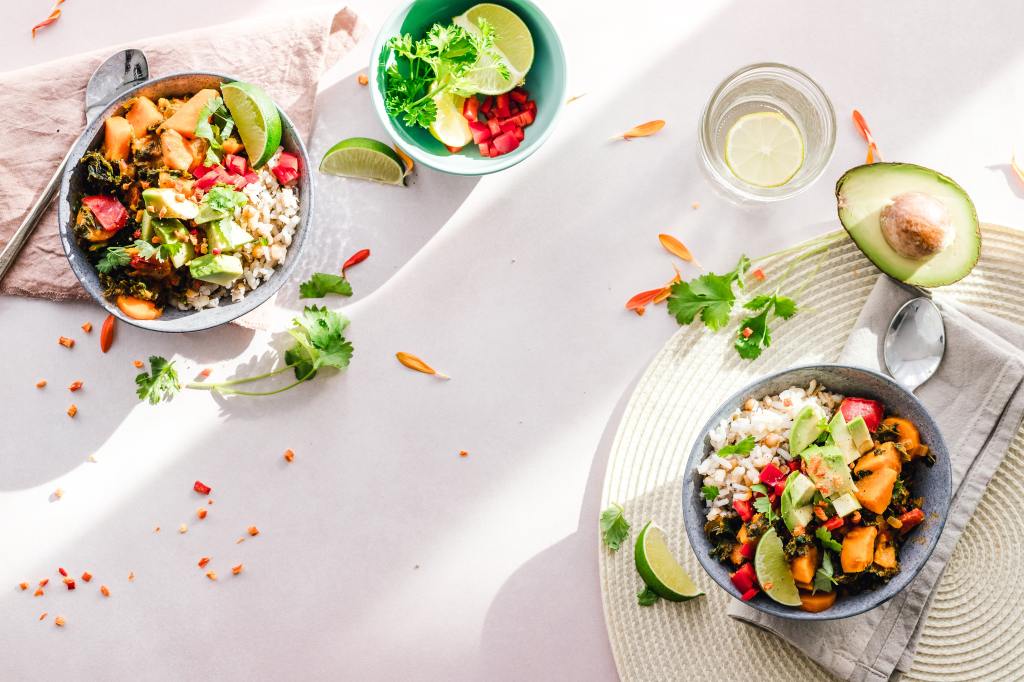
To get into ketosis, you’ll want to eat lots of fatty foods (a minimum of 75 percent of your daily calories), moderate amounts of protein (20 percent), and very few carbs (5 percent).
Here’s a sample day:
Breakfast: Avocado and eggs
Lunch: Fish tacos with guacamole
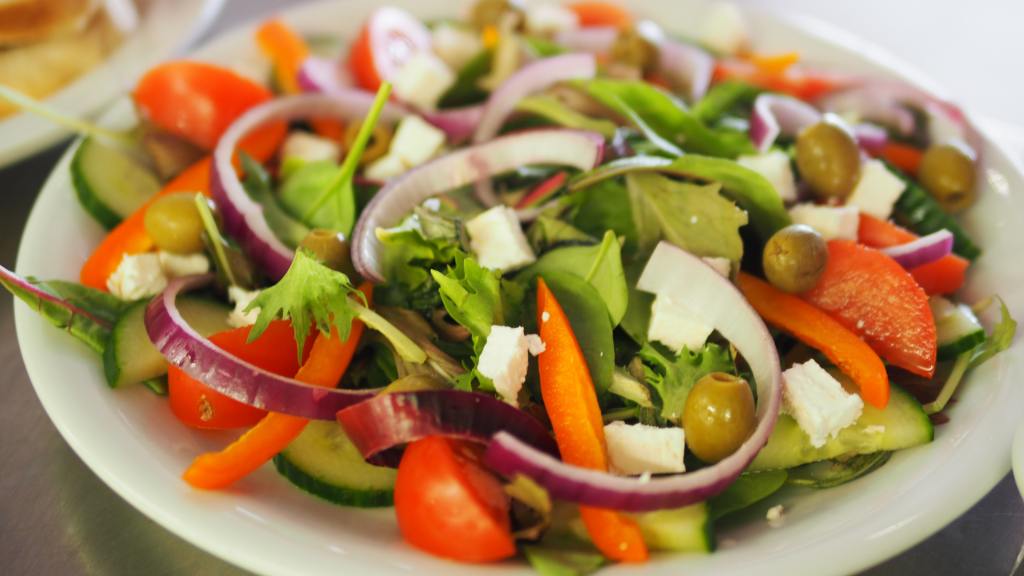
Dinner: Steak with salad

Even once you’re in ketosis though, you’ll still want to make healthy choices.
There are a lot of myths surrounding the diet that can cause people to fail into bad habits and eat poorly-so be on guard against those!
Here are some things you should remember:
- Stay hydrated! Drink enough water each day so that your urine is pale yellow or light yellow (not dark yellow). If it’s more than two shades darker than this, then it means dehydration has set in and it’s time for another glass of water before bedtime each night.
- Stay active! It may seem like an easy thing to do while losing weight quickly by cutting out carbs but if all that means is sitting on the couch watching TV every night then there’s no point in doing anything at all except gaining weight back again after losing weight fast without working out properly first which will only lead back into square one where everything started off with no progress made whatsoever…

Although there are several different types of intermittent fasting, the basic premise is to restrict calories for an extended period of time by not eating.
Intermittent fasting is a popular fad diet that restricts calories for long periods of time. Although there are several different types of intermittent fasting, the basic premise is to restrict calories for an extended period of time by not eating.
The benefits include weight loss, improved health and energy levels and better sleep. There are also some drawbacks associated with this type of dieting: it’s not recommended for people who have high blood pressure or diabetes; it can lead to emotional changes in your body; and if you don’t eat enough food during your fasts (or don’t take supplements), then you may experience muscle loss due to lack of protein intake in your diet plan.”

There are many different ways to do intermittent fasting including the 5:2 Diet, Eat Stop Eat, 16/8 Method, and Alternate Day Fasting.
The 5:2 Diet is a form of intermittent fasting where you alternate between days of eating normally and days of eating only 500 calories per day (500 calories are roughly equivalent to 4 slices of bread). This method has been shown to lead to weight loss without hunger or cravings; however it may also increase your risk for heart disease or diabetes due to its lack of nutritious food choices while losing weight.
Eat Stop Eat is another form of intermittent fasting where you fast for 24 hours once or twice a week (for example on Sunday morning when others may be eating brunch). This method has received much less research than other forms yet some studies have shown better results than conventional dieting methods when combined with exercise after completing an extended period without food intake.
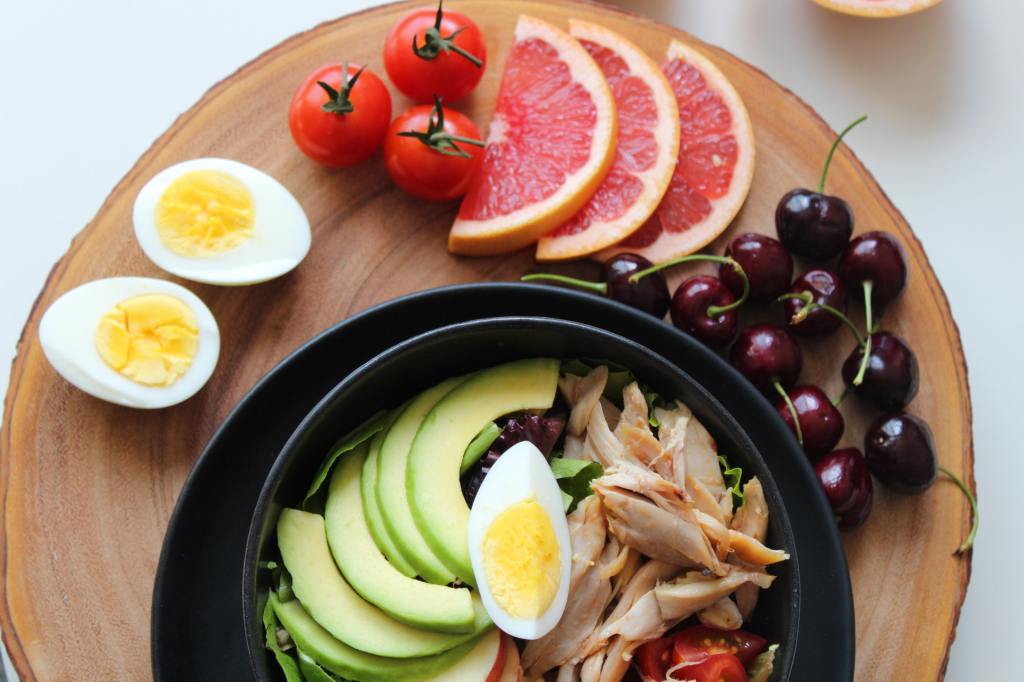
Intermittent fasting has been linked to various health benefits, but it’s important to note that you need to eat healthy food during your time of feasting.
Intermittent fasting has been linked to various health benefits, but it’s important to note that you need to eat healthy food during your time of feasting. If you have blood sugar issues or are at risk for developing Type 2 diabetes, it may not be the right option for you. It’s best to consult with your doctor before starting any now diet plan.

You also should not attempt intermittent fasting if you have blood sugar issues or are at risk for developing Type 2 diabetes. It’s best to consult with your doctor before starting any new diet plan.
Intermittent fasting is a type of diet that involves skipping meals periodically. This can be done by skipping breakfast and lunch, or eating only one meal per day, in an attempt to lose weight. However, intermittent fasting is not recommended for people with diabetes because it can increase blood sugar levels and put you at risk for developing Type 2 diabetes. It’s also important to consult with your doctor before starting any new diet plan-particularly if you have any health issues or medications that could affect your ability to control your blood sugar levels. If you are diabetic and want to try intermittent fasting anyway (because it seems like the perfect solution). then we recommend speaking with someone who has experience with this type of eating plan so they can help guide you through its implementation safely and effectively.

Intermittent fasting is a great way to lose weight but make sure you know what you’re getting into before you start.
Intermittent fasting is a popular method of weight loss that involves limiting your daily caloric intake to between 500 and 800 calories per day. This can be done through a variety of different methods, but the most common involves eating every other day for 12 hours and then fasting for the remaining 16 or so hours.
The reason intermittent fasting is so popular is because it allows you to lose weight by eating less food without feeling hungry or deprived. It also gives your body time to burn stored fat instead of burning muscle mass which will help keep your metabolism high throughout the day. By restricting yourself from eating every few hours, you’ll also control how much energy goes into getting food down at any given moment as opposed to sitting around waiting until dinner rolls around before taking another bite (which could lead up toward overesting).
There are some downsides too: It can be difficult getting used to not eating while still being able to consume enough nutrients during these periods; there may also be an adjustment period where ones body feels “out of sync” due to short term lack of nutrients – especially if one has been used regularly consuming large amounts of carbohydrates over long periods throughout life (because many Americans consume excessive amounts of carbs/sugars every single day). In addition there may also be some psychological issues associated with doing this type of dieting pattern.
Conclusion
Any diet that promotes weight loss is a good thing, but intermittent fasting is one of the most effective. It can help you lose weight and improve your overall health. However, before starting any new diet plan or exercise program, it’s important to consult with your doctor first!

 Diet For Beginners: Keto Fitness, Explained, Foods and Tips